

Government and Municipal Building Roofing work in San Diego starts with roof condition, access, drainage, existing assembly, occupant impact, and whether repair, restoration, maintenance, or replacement is the practical next step.
Request a quoteCommercial roof scope, inspection, access planning, and documentation for acrylic roof coatings.
San Diego's government building market is defined by scale, military adjacency, and the particular preservation consciousness of a city that has invested heavily in protecting the Spanish Colonial and early 20th-century civic architecture that distinguishes its downtown core and historic neighborhoods. San Diego City Hall on Pacific Highway, the San Diego County Administration Center overlooking the waterfront — a National Register landmark — the San Diego Central Library, the San Diego Police Department's area commands, the San Diego Fire-Rescue Department's stations spread from downtown to the eastern mountain communities, and the San Diego County Courthouse complex all represent a capital maintenance challenge that the city's Real Estate Assets Department and the county's Department of General Services address through procurement processes that reward documented government experience and institutional reliability.
San Diego's public procurement for construction operates through the City of San Diego's Purchasing and Contracting Division, which posts solicitations on the city's online bid portal. San Diego County uses the County of San Diego's procurement system managed through the Department of Purchasing and Contracting. Both jurisdictions maintain certified small business programs — the city's Equal Opportunity Contracting Program and the county's Small Business Enhancement Program — with participation goals embedded in construction contract solicitations. California's DVBE requirement applies to state-funded components of city and county projects. Bid responsiveness review at both city and county is thorough: missing required small business outreach documentation, incomplete insurance certificates, or lapsed C-39 license status all result in rejection rather than an opportunity to cure, and the volume of bidders on San Diego government roofing contracts means that bid packages must be complete and precise.
California's prevailing wage requirements apply to every San Diego government roofing project without exception. The California DIR publishes San Diego County prevailing wage rates for roofing classifications, and those rates reflect the San Diego market's strong union presence in commercial and government construction. All contractors and listed subcontractors must maintain current DIR public works registration, and electronic certified payroll submission through eCPR is mandatory. San Diego's proximity to the Mexico border and the presence of informal labor networks in the regional construction market make DIR wage compliance monitoring on government projects particularly rigorous — awarding authorities and their labor compliance programs conduct field interviews with roofing workers throughout projects to verify that certified payroll submissions accurately reflect actual labor conditions.
The San Diego County Administration Center — designed by Sam Hamill and Louis Gill and completed in 1938 — is one of the most architecturally significant government buildings in Southern California. Its Spanish Colonial Revival roofing system, with clay tile surfaces, ornate copper flashing, and complex parapet and tower details, requires preservation expertise that commands a premium and is held by a small subset of contractors active in the San Diego market. The building is listed on the National Register of Historic Places, and alterations require Section 106 consultation with the California SHPO. San Diego's Historical Resources Board provides local oversight for designated local landmarks, which include numerous civic and governmental buildings in the downtown core and Balboa Park area. Contractors seeking to participate in high-profile historic government roofing projects in San Diego must invest in the material sourcing relationships, craft skills, and preservation review knowledge that this work demands.
San Diego's Mediterranean climate — mild and dry — creates a roofing environment that is relatively forgiving compared to snowbelt or Gulf Coast markets, but the city's coastal location introduces specific degradation mechanisms. Salt air and marine fog accelerate corrosion in metal flashing systems, gutters, and roof drainage components. TPO and PVC membranes hold up well in San Diego's UV-intense environment, but seam integrity in coastal locations must be documented carefully given the humidity cycling that occurs with marine layer intrusion. The Santa Ana wind events that affect Southern California in fall and winter create negative pressure loading on roofing systems that are sometimes underestimated in specifications designed around normal weather conditions, and government buildings designated as essential facilities — fire stations, emergency operations centers, police facilities — must be designed to resist the design wind speeds associated with those events under California's building code requirements for Risk Category III structures.
California's Title 24 cool roof requirements apply to San Diego government buildings, with climate zone parameters that reflect San Diego's moderate coastal temperatures. While San Diego's cooling loads are lower than Inland Empire or Central Valley locations, the California Energy Code's cool roof mandates still apply to new and replacement roofing on conditioned institutional buildings. The City of San Diego's Climate Action Plan — one of the most detailed urban climate plans of any American city — establishes rooftop solar readiness requirements for new city buildings and has begun influencing specifications for major reroofing projects through requirements for conduit provisions and structural capacity accommodation that enable future solar installations. Roofing contractors working on city facilities must understand how solar readiness provisions interact with roofing system design and must coordinate with electrical consultants on projects where conduit stub-outs are part of the scope.
San Diego Fire-Rescue's station network spans a city that ranges from dense urban neighborhoods in North Park and Golden Hill to fire stations serving the brush-interface communities of Alpine, Jamul, and the mountain communities near Julian. Wildfire interface stations in San Diego County carry California's essential services building requirements and fire-resistive construction standards that affect roofing material selection — Class A fire-rated assemblies are mandatory, and ember-resistant detailing at roof edges, valleys, and penetrations is specified for facilities in state-designated fire hazard severity zones. The 2003 Cedar Fire and 2007 Harris and Witch fires demonstrated the consequences of under-specified buildings in San Diego's brush interface zones, and the county's facilities specifications for stations in those areas reflect lessons learned from those events.
The San Diego Central Library, opened in 2013 as a dramatic piece of contemporary civic architecture with its distinctive dome and curving glass facade, represents one extreme of San Diego's government building spectrum. The library system's branch facilities — the North Park Branch, Ocean Beach Branch, University Heights Branch, and others — represent the other extreme: older neighborhood buildings with conventional flat or low-slope roofs that need periodic reroofing and envelope maintenance. Branch library roofing projects are managed through the city's Real Estate Assets Department capital program and procured through the city's standard competitive bidding process. Contractors who establish performance references in the library branch system — demonstrating clean execution, minimal disruption to patron services, and responsive warranty performance — build institutional credibility that carries across the city's entire facility portfolio.
San Diego County's correctional facilities — including the George Bailey Detention Facility and the Las Colinas Detention and Reentry Facility — represent a government roofing market segment with unique operational constraints. Correctional facility roofing work requires security clearances for contractors and crews, tool and material accountability procedures, restricted staging areas, and coordination with facility security operations that has no counterpart in any other institutional building type. The county's Department of General Services manages these contracts with security requirements embedded in the bid documents, and contractors unfamiliar with correctional environment protocols learn quickly that the work demands advance planning and staff vetting that standard commercial roofing operations don't require.
Government and Municipal Building Roofing is scoped around coastal metal exposure, San Diego access limits, rooftop equipment, tenant protection, drainage, and what the owner needs to decide next.
Start a Request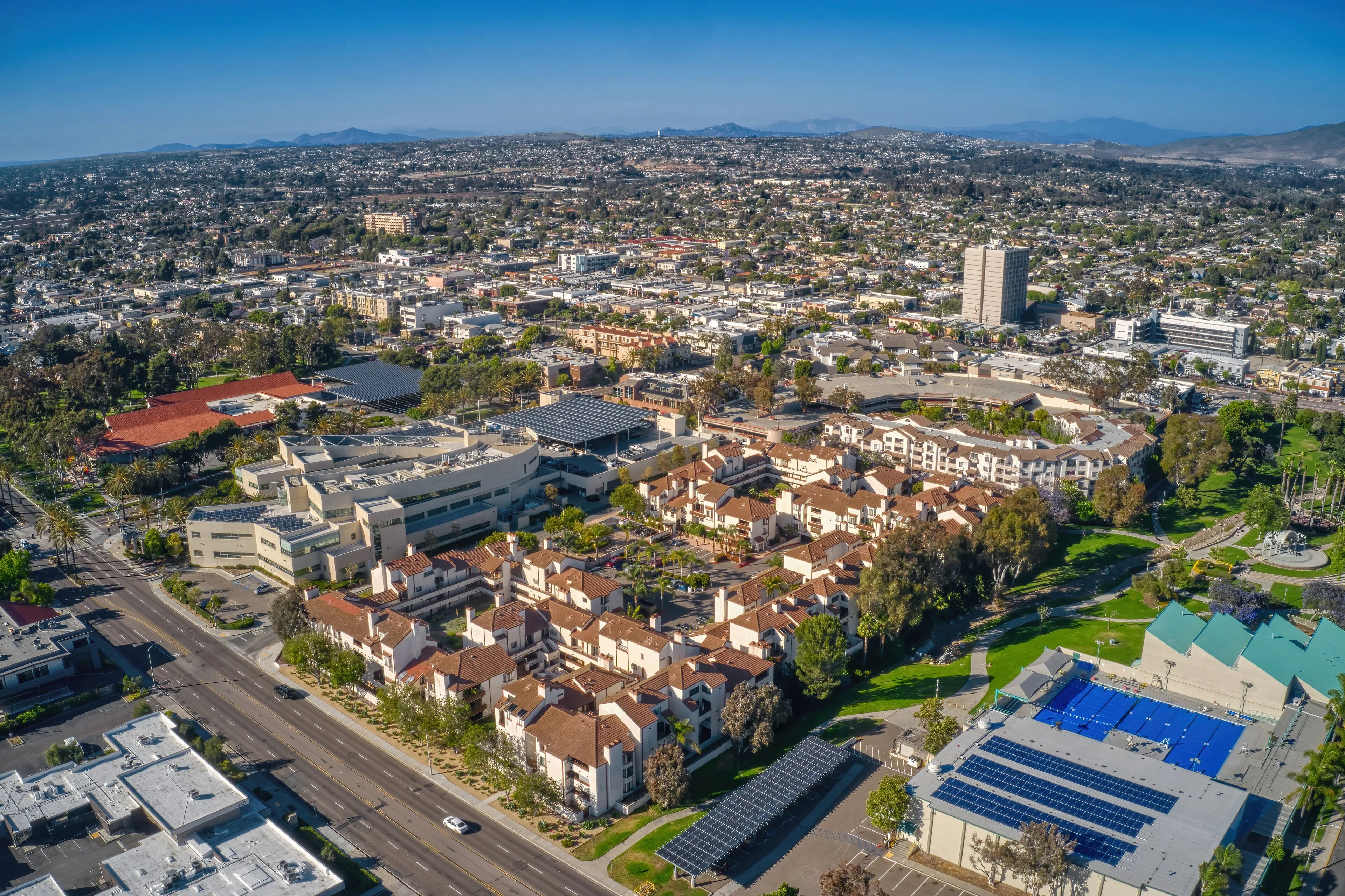
A practical roof scope tells the owner what is urgent, what can wait, what needs testing, and which details change the budget.
San Diego roof work should account for marine air, reflective roof requirements, tenant operations, drainage, and rooftop service traffic.
Photos tied to roof areas, drains, penetrations, and sheet metal
Repair, coating, recover, replacement, and maintenance paths separated
Access, staging, tenant notices, work hours, and daily dry-in reviewed