

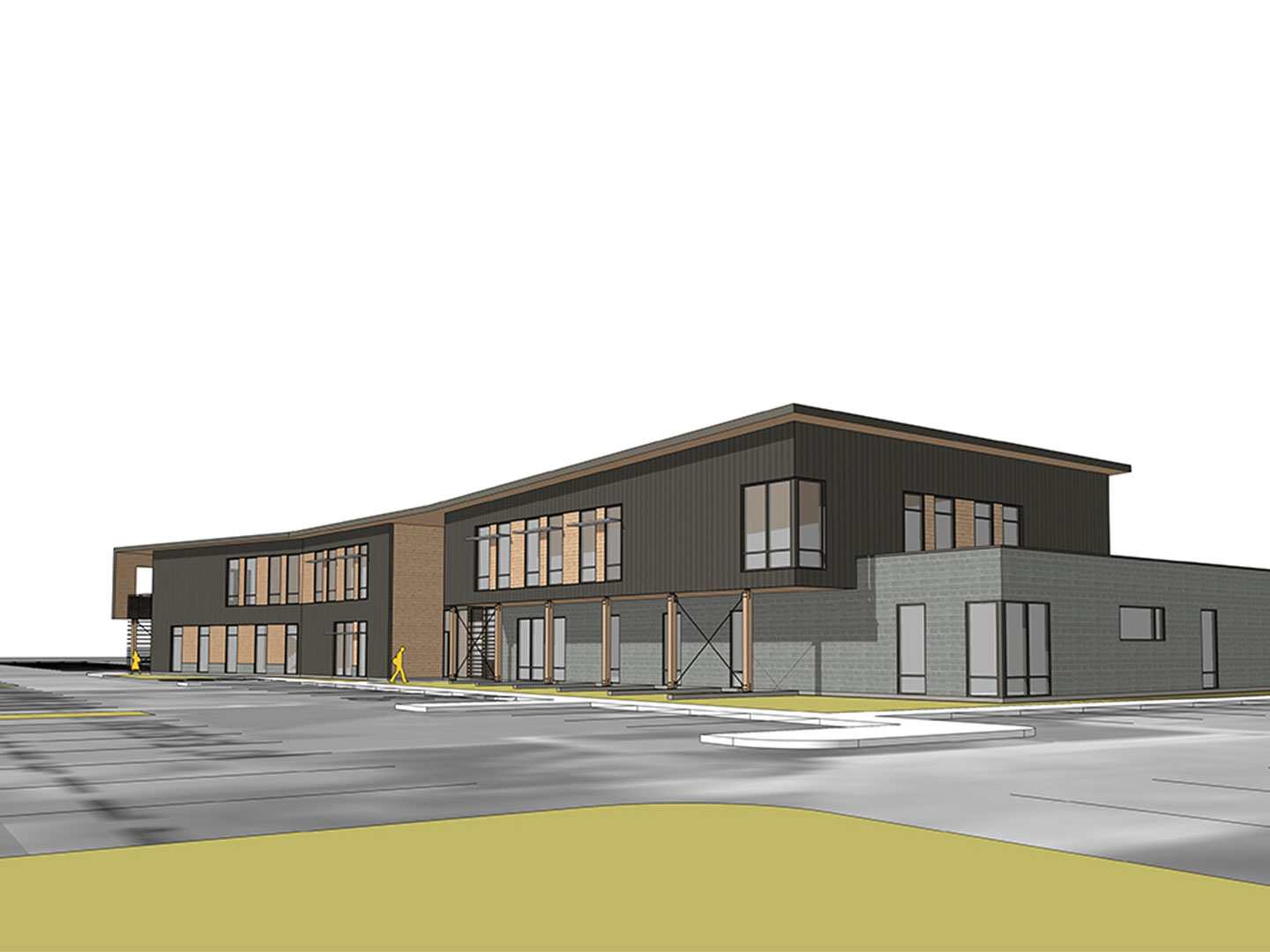
Healthcare Facility Roofing work in San Diego starts with roof condition, access, drainage, existing assembly, occupant impact, and whether repair, restoration, maintenance, or replacement is the practical next step.
Request a quoteCommercial roof scope, inspection, access planning, and documentation for acrylic roof coatings.
San Diego's healthcare sector combines the operational demands of major academic medical centers with the regulatory complexity unique to California's hospital licensing environment, creating one of the West Coast's most demanding commercial roofing markets. UC San Diego Health operates Jacobs Medical Center, Hillcrest Medical Center, and a growing network of outpatient clinics across the county, while Sharp Healthcare, Scripps Health, and Kaiser Permanente maintain competing hospital networks that collectively cover every San Diego neighborhood from Chula Vista to Rancho Bernardo. The density of critical healthcare infrastructure—operating rooms, cancer treatment centers, neonatal intensive care units, research laboratories—means that a poorly maintained roofing system is not simply a property management problem but a potential threat to clinical operations that no health system can afford to treat casually.
San Diego's mild Mediterranean climate creates a paradox in roofing maintenance planning that facility managers must understand clearly: the relative absence of dramatic weather events masks the steady UV and thermal degradation that attacks roofing membranes in this environment more aggressively than in cloudier, rainier markets. A TPO membrane installed in San Diego receives intense solar radiation 310 or more days per year, causing oxidative surface degradation that reduces membrane flexibility and creates micro-cracking at seams long before the membrane shows visible signs of failure from above. When the atmospheric river pattern delivers several inches of rain in rapid succession—as happened repeatedly during the wet 2023 and 2024 seasons—membranes that looked adequate in October become active leak sources by January. Healthcare facilities that had not conducted a thorough roof inspection in three or more years were disproportionately represented among buildings with interior water damage during those events.
California's Alfred E. Alquist Hospital Facilities Seismic Safety Act imposes requirements that extend to building envelope details for licensed general acute care hospitals in San Diego County. The San Andreas Fault and the Rose Canyon Fault Zone create measurable seismic risk in the San Diego metro, and hospital roofing assemblies must be designed with attachment details, expansion joint treatments, and parapet flashing systems capable of accommodating inter-story drift and building movement during a design-level seismic event. At Jacobs Medical Center and UCSD's La Jolla campus, these requirements shaped the original construction details and continue to govern maintenance and replacement work. Contractors unfamiliar with seismic design requirements may specify replacement details that fail to meet the original structural intent, creating code compliance issues that surface during state facility inspection.
Infection control during roofing work at San Diego hospitals follows California Department of Public Health construction infection control guidelines and the specific ICRA protocols maintained by each health system. Scripps Health's infection prevention program, UC San Diego Health's construction safety management system, and Sharp Healthcare's facilities department each operate distinct pre-construction review processes that experienced healthcare roofing contractors navigate as routine project management steps. For contractors less familiar with hospital-class infection control, the most common compliance failure is inadequate negative pressure maintenance in work zones above occupied patient areas—a failure that can result in immediate work stoppage orders and potential licensing citations against the healthcare facility if clinical air quality is compromised.
Medical gas system penetrations are a technical focus area for roofing work at San Diego's extensive ambulatory surgery and specialty care facilities. The Kearny Mesa medical corridor, the Sorrento Valley biotech-adjacent medical campus area, and the rapidly growing Chula Vista and National City healthcare zones all include significant concentrations of outpatient surgical centers and specialty procedure facilities where piped oxygen, nitrous oxide, and medical air lines pass through the roof assembly. Marine layer moisture—a defining feature of San Diego's coastal climate—creates persistent humidity around rooftop penetrations that accelerates sealant degradation, particularly on older facilities where silicone caulk applied a decade or more ago has hardened and begun to separate from metal pipe collars. Replacing these sealant details with modern flexible boot systems before active leaks develop is a straightforward preventive step with significant clinical risk mitigation value.
The freestanding emergency department and urgent care center market has grown substantially across San Diego County, with facilities in El Cajon, Santee, Escondido, and Oceanside extending acute care access to inland communities that previously relied on full-service hospital emergency departments for unscheduled care. These smaller-footprint buildings typically use TPO flat roofing over clinical areas with architectural sloped metal or tile elements at patient entries and canopy structures. The intersection between the flat and sloped roof sections at their transitions represents the highest leak-risk location on these buildings, as water from the sloped sections concentrates at the flat area perimeter and can overwhelm improperly detailed flashings during heavy rain. Annual inspections that specifically evaluate transition flashings and counter-flashings at these locations should be a standard element of the preventive maintenance program for San Diego freestanding emergency facilities.
Assisted living development in San Diego County has concentrated in Escondido, Poway, and the coastal communities of Carlsbad and Vista, areas where relatively mild year-round weather does not eliminate roofing maintenance requirements as some operators assume. Marine layer moisture and coastal salt air create unique degradation mechanisms for roofing metals—aluminum flashing, copper drainage components, and galvanized equipment supports—that are not encountered in inland California markets. For assisted living facilities within a mile of the Pacific coast, specifying marine-grade materials and coatings for all metal roofing components extends service life significantly compared to standard commercial-grade products, reducing the replacement frequency and the occupied-building disruption costs associated with roofing work above fragile elderly residents.
California Title 24 energy standards for commercial buildings apply to re-roofing projects in San Diego that replace more than fifty percent of the existing roof area, mandating CRRC-rated cool roof membranes that meet minimum solar reflectance and thermal emittance thresholds. For large healthcare campuses that have benefited from SDG&E commercial energy efficiency incentive programs, the combination of mandatory cool roof compliance and available utility rebates makes comprehensive re-roofing the most financially logical approach when membranes approach end of design life. UC San Diego Health and Scripps Health have both demonstrated institution-level commitment to sustainability goals that make cool roof specifications straightforward procurement decisions at those organizations; independent medical office building owners and smaller clinic operators may need more support in understanding the regulatory requirements and financial case for compliant systems.
Evaluating roofing contractors for San Diego healthcare projects should begin with verification of California C-39 licensure and, for hospital campus work, documented completion of ICRA training by all proposed site supervisors. References from UCSD Health, Sharp Healthcare, or Scripps Health facilities provide the most relevant performance evidence for hospital procurement teams. For projects at state-licensed general acute care hospitals that may trigger OSHPD review, the contractor should demonstrate familiarity with the California Office of Statewide Health Planning and Development's project delivery requirements and be prepared to support the permit application process with appropriate technical documentation.
Healthcare Facility Roofing is scoped around coastal metal exposure, San Diego access limits, rooftop equipment, tenant protection, drainage, and what the owner needs to decide next.
Start a Request
A practical roof scope tells the owner what is urgent, what can wait, what needs testing, and which details change the budget.
San Diego roof work should account for marine air, reflective roof requirements, tenant operations, drainage, and rooftop service traffic.
Photos tied to roof areas, drains, penetrations, and sheet metal
Repair, coating, recover, replacement, and maintenance paths separated
Access, staging, tenant notices, work hours, and daily dry-in reviewed