

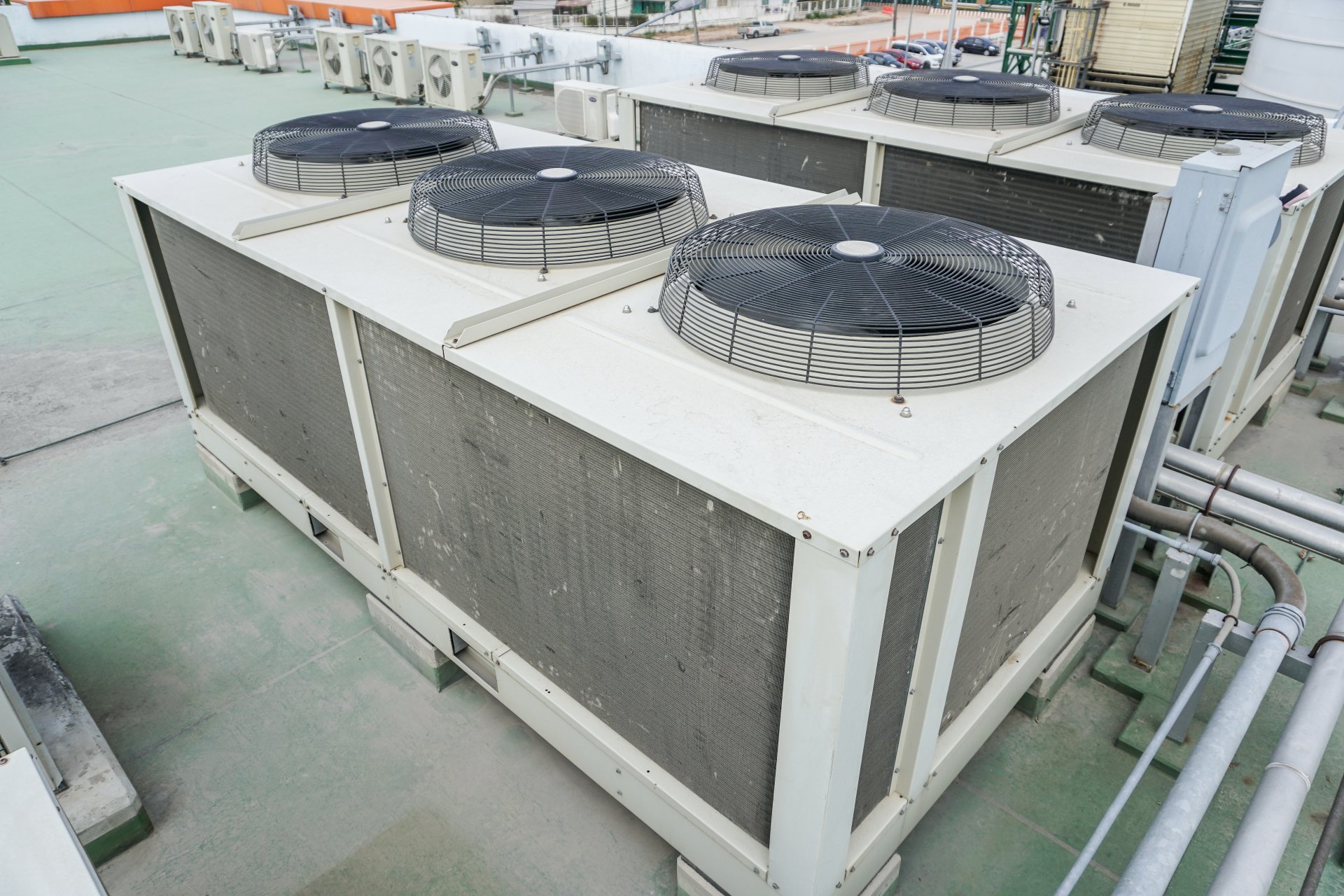
Restaurant and Food Service Building Roofing work in San Diego starts with roof condition, access, drainage, existing assembly, occupant impact, and whether repair, restoration, maintenance, or replacement is the practical next step.
Request a quoteCommercial roof scope, inspection, access planning, and documentation for acrylic roof coatings.
San Diego's restaurant industry is shaped by its geography as much as its demographics. From the densely packed dining districts in Little Italy and North Park to the beach-adjacent concepts in Pacific Beach and Ocean Beach, from the Gaslamp Quarter's high-volume tourist restaurants to the suburban fast-casual corridors in Mira Mesa and Chula Vista, the city's food service buildings face a roofing environment defined by the Pacific Ocean's moderating influence — mild temperatures year-round, persistent marine layer through summer mornings, occasional winter rain events, and salty coastal air that accelerates corrosion on metal rooftop components.
San Diego's celebrated mild climate creates a counterintuitive roofing challenge: because temperatures rarely reach extremes, restaurant operators often deprioritize rooftop maintenance under the assumption that the forgiving weather means nothing is failing. In reality, the marine layer that defines San Diego's June and July mornings deposits a thin film of salt-laden moisture on every rooftop surface nightly, which slowly degrades galvanized metal flashings, corrodes fastener heads on mechanically attached systems, and wicks into any existing gap at parapet terminations. This slow-motion salt corrosion is invisible until it causes a leak during a winter rain event, at which point the repair scope is typically much larger than it would have been with annual inspection and treatment.
Kitchen exhaust flashing in San Diego food service buildings faces the specific corrosion risk of the coastal environment. Galvanized steel curb caps and counter-flashings at Type I hood locations typically last eight to twelve years in inland markets but may show significant corrosion in five to seven years at buildings within a mile of the ocean — which describes a large percentage of San Diego's restaurant stock in the Gaslamp, Little Italy, Embarcadero area, and the beach community commercial corridors. Specifying aluminum or stainless steel at exhaust locations when re-roofing or replacing failed flashings is the standard protective measure for San Diego coastal restaurant buildings.
TPO membranes perform reliably on San Diego restaurant roofs, and the specification typically emphasizes the reflective benefit of white membrane for the inland locations where summer heat is a more significant factor than at the immediate coast. In the beach communities and immediate coastal neighborhoods, where temperatures are moderated and the primary risk is marine moisture rather than solar heat, EPDM remains in use on older buildings and performs adequately when maintained. For new installations and re-roofing projects, 60-mil reinforced TPO with heat-welded seams is the standard recommendation across the San Diego market regardless of proximity to the coast.
San Diego's brewery and craft beverage industry has made the city one of the nation's recognized craft beer destinations, with the Miramar brewery cluster, the North Park taproom corridor, and the growing waterfront brewery presence in Little Italy and Barrio Logan attracting significant commercial investment. Brewery roofs in San Diego present the full array of fermentation vent, glycol, and CO2 penetration requirements common to this building type, compounded by the coastal corrosion environment. Marine-grade stainless steel is the appropriate material for exposed metal components on brewery roofs within the marine air zone, which extends roughly three miles from the coast.
Walk-in cooler and refrigeration penetrations on San Diego restaurant roofs benefit from the moderate climate — the extreme thermal differentials that create severe condensation problems in desert or continental climates are moderated by the ocean influence. However, the consistent moderate humidity of the San Diego coastal environment means that moisture management at walk-in curb penetrations is still important, particularly for restaurants in beach community buildings where outdoor humidity remains elevated overnight even in the dry months. Closed-cell insulation at walk-in curb transitions and positive drainage at the curb base are the standard details for San Diego food service buildings regardless of the relatively mild ambient conditions.
Quick-service restaurant and fast-food operators across San Diego County manage properties in environments that vary significantly by location — an East Village urban building experiences very different roofing stressors than a Chula Vista strip center pad site five miles from the bay. Operators managing multiple locations need a roofing contractor who understands both the coastal corrosion environment at beachfront locations and the more conventional solar-heat-driven challenges at inland suburban locations. A single point of contact who maintains building-specific condition records for each location provides the portfolio visibility that multi-unit operators need to allocate maintenance budgets effectively.
San Diego's winter rain season — concentrated between November and March, with atmospheric river events that can deliver several inches in 24 hours — tests drainage infrastructure that was designed for a low-rain climate. San Diego's average annual precipitation is modest, about 11 inches, but those 11 inches tend to arrive in concentrated events rather than distributed through the year. Restaurant roofs with partially blocked drains or low spots from years of thermal cycling may handle dozens of light rainfalls without incident and then fail dramatically during a single heavy event. Pre-season drain clearing and low-spot identification in October is the most protective maintenance action San Diego restaurant operators can take.
The growth of San Diego's food hall and multi-tenant restaurant building sector — from Liberty Station's dining district to the newer culinary market concepts in Makers Quarter and the Midway District — creates property management challenges for roofs that serve multiple kitchen tenants with different exhaust configurations and maintenance responsibility allocations. A documented penetration map and annual inspection program maintained by a single roofing contractor gives these property managers the information they need to identify which tenant's exhaust curb is responsible for a leak, schedule maintenance in coordination with multiple tenant operating schedules, and fulfill any roof maintenance obligations that their lease covenants require.
Restaurant and Food Service Building Roofing is scoped around coastal metal exposure, San Diego access limits, rooftop equipment, tenant protection, drainage, and what the owner needs to decide next.
Start a Request
A practical roof scope tells the owner what is urgent, what can wait, what needs testing, and which details change the budget.
San Diego roof work should account for marine air, reflective roof requirements, tenant operations, drainage, and rooftop service traffic.
Photos tied to roof areas, drains, penetrations, and sheet metal
Repair, coating, recover, replacement, and maintenance paths separated
Access, staging, tenant notices, work hours, and daily dry-in reviewed