

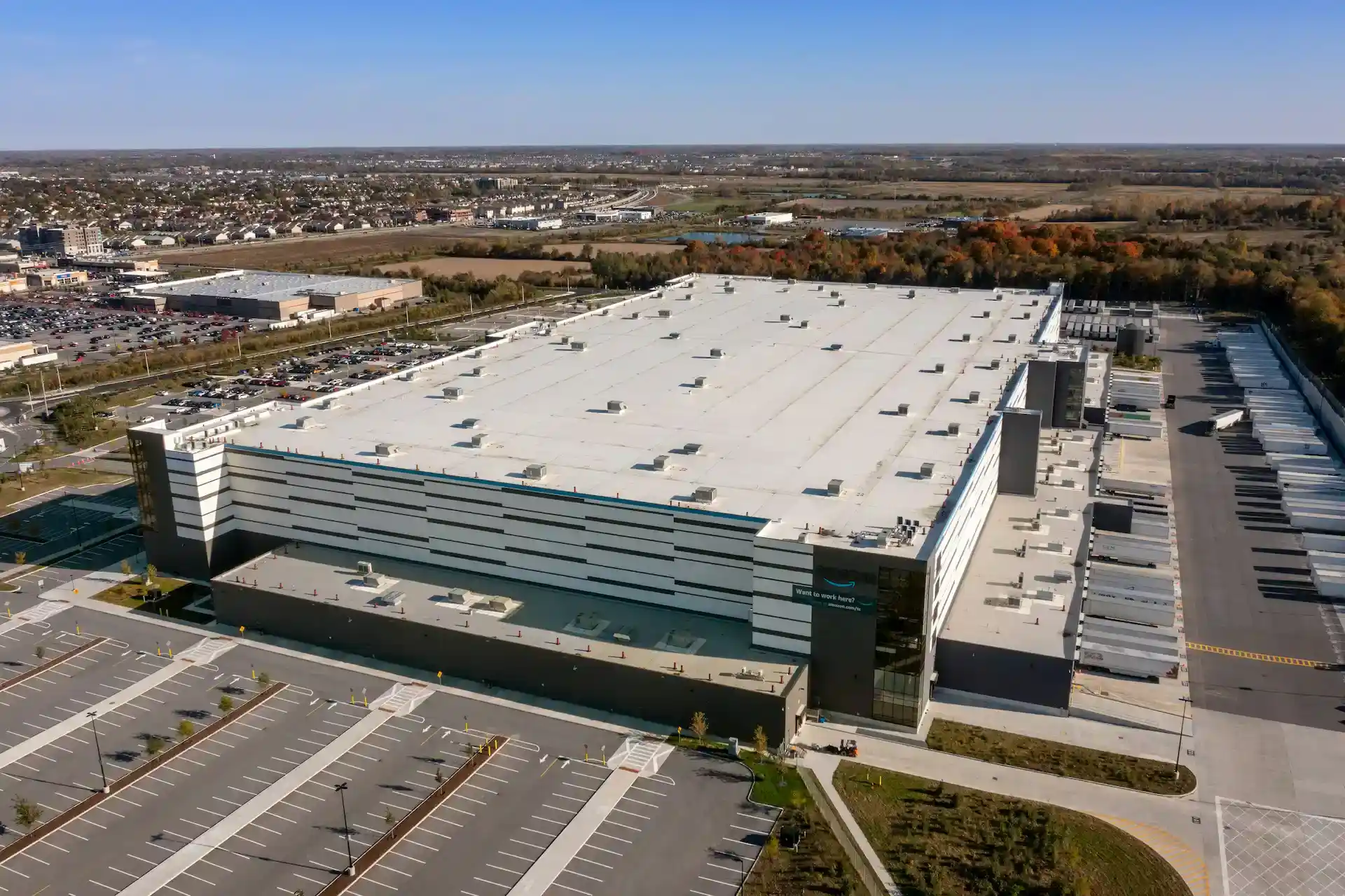
Warehouse and Distribution Center Roofing work in San Diego starts with roof condition, access, drainage, existing assembly, occupant impact, and whether repair, restoration, maintenance, or replacement is the practical next step.
Request a quoteCommercial roof scope, inspection, access planning, and documentation for acrylic roof coatings.
our company Park Pacific Gateway in Otay Mesa, San Diego's primary industrial logistics zone near the US-Mexico border, is one of the most active cross-border distribution campuses in the Western United States. Warehouse owners throughout San Diego County — from the Kearny Mesa industrial corridor to the expanding logistics parks in Otay Ranch and Chula Vista — operate under California Title 24 energy code requirements while managing a climate that is uniquely forgiving by national warehouse standards: mild temperatures year-round, low humidity, and minimal severe weather, creating an environment where a well-installed roof can realistically achieve 30-plus years of service life.
California Title 24 Part 6 governs all San Diego warehouse roofing, and San Diego's climate zone 7 designation requires a minimum Aged Solar Reflectance of 0.63 and Thermal Emittance of 0.75 for low-slope non-residential roofs, plus minimum R-19 continuous insulation. The insulation requirement is lower in San Diego than in most other California climate zones because the mild climate reduces both heating and cooling loads, but cool-roof reflectance is still mandatory for large commercial buildings. White TPO is the standard compliance mechanism, and it provides meaningful cooling cost reductions during San Diego's June gloom months — when overcast conditions give way to afternoon clearing and rapid surface temperature increases — and the modest but real summer heat events when inland areas push above 90 degrees.
San Diego's drainage challenges are unusual by major market standards: rainfall is minimal (averaging only 10 to 12 inches annually) but when it does rain, it often arrives as Pacific storm fronts that deliver concentrated precipitation in short windows. The January 2024 atmospheric river event deposited three inches in 24 hours in parts of San Diego County — a total that may occur only once or twice per decade but that overwhelms drainage systems not designed for California IDF intensities. Size drains using San Diego County hydrology data from the Department of Public Works rather than national defaults, and ensure overflow scuppers are installed and clear before each winter storm season.
California seismic requirements are a defining factor in San Diego warehouse roofing design. San Diego County sits near the Rose Canyon Fault system and other active Peninsular Ranges fault structures, with seismic design categories that require ductile connections at wall-to-roof interfaces. Counterflashings at parapet walls and dock penetrations must incorporate slip joints or flexible membrane details that can accommodate seismic drift without tearing the roofing membrane. A California-licensed structural engineer should review these details on any new or substantially renovated San Diego warehouse, and the structural engineer's seismic anchorage requirements for rooftop mechanical equipment must be coordinated with the roofing scope before equipment curbs are installed.
Dock penetration flashing in San Diego benefits from the mild climate — there is no freeze-thaw cycling to crack caulk joints, and the moderate temperature range (typically 40 to 85 degrees Fahrenheit) limits thermal expansion stress in metal counterflashings. The primary concern at dock penetrations in San Diego is the salt-air environment, particularly for facilities near the coast in Chula Vista, National City, or the Port of San Diego industrial areas. Stainless steel or anodized aluminum counterflashings are preferable to painted galvanized steel within five miles of the shoreline; salt-air corrosion of galvanized flashings can produce rust staining and flashing failure within ten years at coastal San Diego locations.
Forklift exhaust ventilation and battery charging fume extraction penetrations in San Diego warehouses must comply with San Diego Air Pollution Control District (SDAPCD) regulations, which govern exhaust discharge and cumulative emission thresholds for logistics operations. Cross-border facilities in Otay Mesa may also need to coordinate with Mexican environmental agencies if the facility's exhaust affects air quality across the border. Before finalizing the roof penetration layout, confirm with an air quality consultant that the proposed exhaust system complies with current SDAPCD permit conditions and Rule 61.3 or other applicable rules for the facility's operational classification.
California's CSLB C-39 roofing license requirement applies uniformly throughout the state. Verify license status, bonding, and workers' compensation at cslb.ca.gov before contract execution. The City of San Diego Development Services Department and San Diego County Planning and Development Services both require permits and inspections for commercial roofing. San Diego's permitting queue for large commercial projects has improved with online submission tools, but allow four to six weeks for plan review on industrial projects above $500,000. SMUD rebates do not apply in San Diego; check with San Diego Gas & Electric (SDG&E) for current commercial energy efficiency incentive programs that may offset above-code insulation costs.
Preventive maintenance on a San Diego warehouse roof is the most straightforward of any major California market, given the mild climate and minimal severe weather. An annual inspection covering drain condition, membrane seam integrity, and penetration flashing status is the minimum program. Pre-winter inspection in October is the most critical timing, ensuring that the relatively few annual precipitation events drain freely. Seismic events should trigger an inspection of wall-to-roof flashings; even a magnitude 3 or 4 event that causes no structural damage can separate flexible membrane details that were marginally installed. Budget $0.06 to $0.09 per square foot annually for maintenance — among the lowest in any major California market.
When evaluating contractors for a San Diego warehouse project, CSLB C-39 licensure and Title 24 documentation competence are threshold requirements, followed by seismic flashing design experience and familiarity with SDAPCD permitting. For coastal Chula Vista and National City facilities, ask specifically about salt-air corrosion resistance specifications for metal components. References from other San Diego logistics operators — particularly from the Otay Mesa cross-border logistics community — are the most relevant qualification benchmark for this specific market.
Warehouse and Distribution Center Roofing is scoped around coastal metal exposure, San Diego access limits, rooftop equipment, tenant protection, drainage, and what the owner needs to decide next.
Start a Request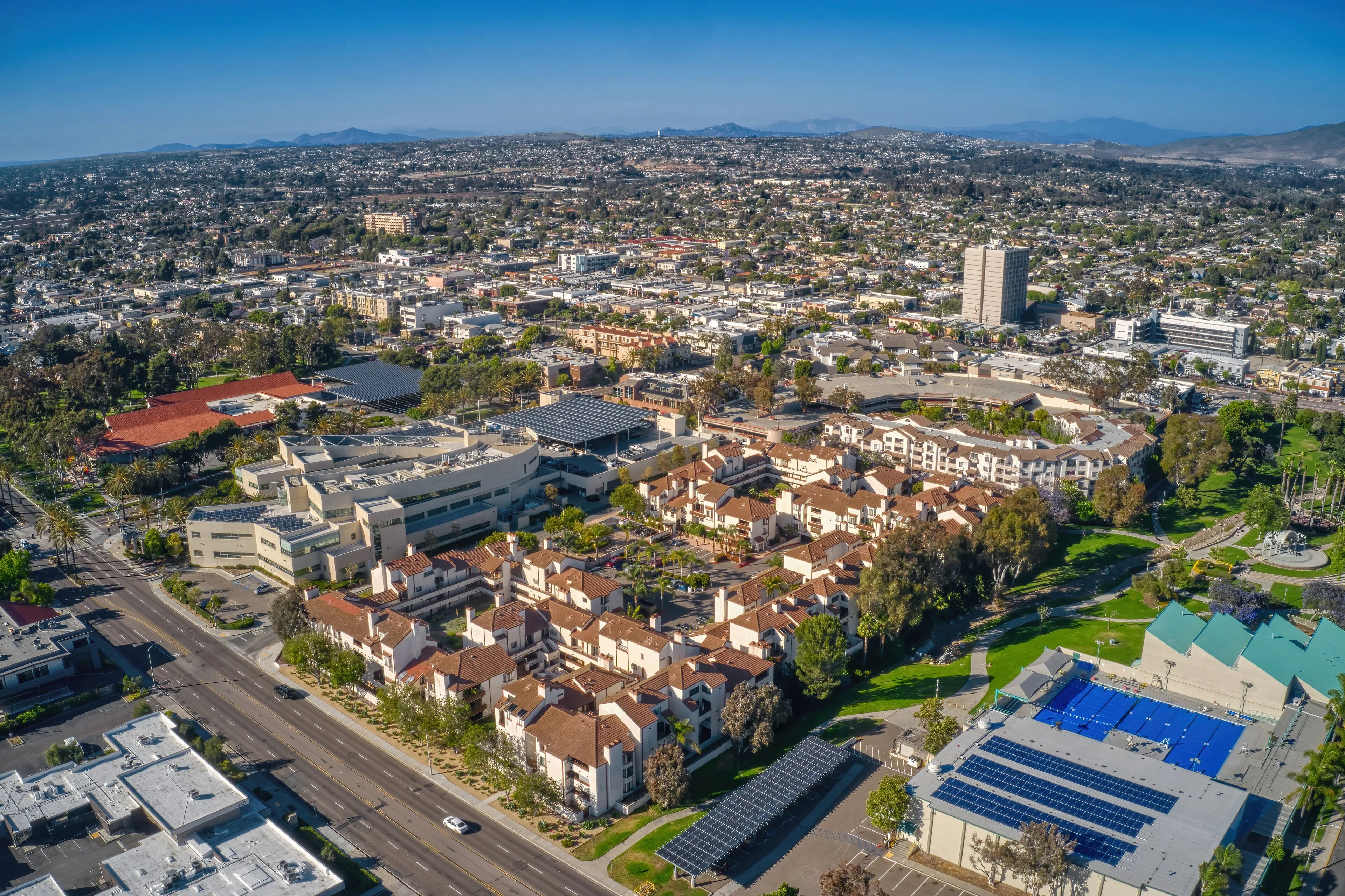
A practical roof scope tells the owner what is urgent, what can wait, what needs testing, and which details change the budget.
San Diego roof work should account for marine air, reflective roof requirements, tenant operations, drainage, and rooftop service traffic.
Photos tied to roof areas, drains, penetrations, and sheet metal
Repair, coating, recover, replacement, and maintenance paths separated
Access, staging, tenant notices, work hours, and daily dry-in reviewed